

How Do Scavengers Help To Keep The Environment Clean
Earth's natural clean-up crew
Necessary scavengers
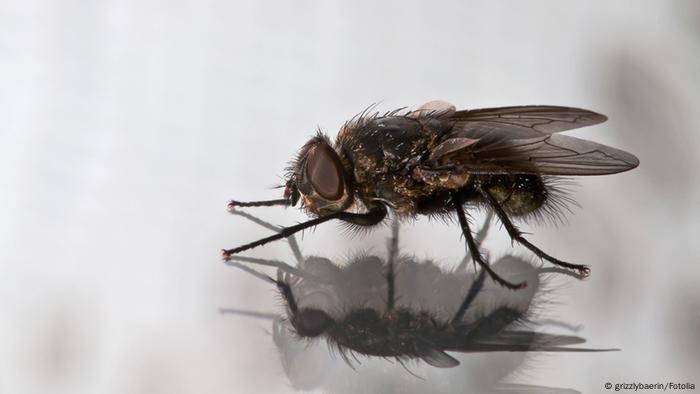
Scavengers, such as flies, are part of the planet's natural clean-up crew. They get rid of waste in our environment by feeding on dead plants and animals, helping with decomposition - the process by which organic substances are broken down into simpler matter to provide nutrients for other organisms.
Earth's natural clean-up crew
Eye in the sky
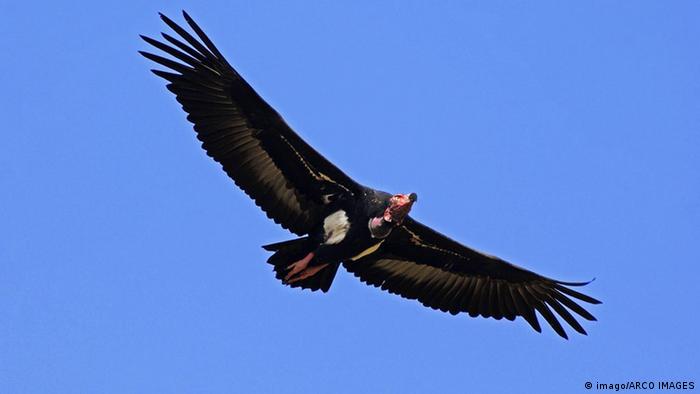
These scavengers can be large, like the vulture. Vultures provide a very important ecosystem service in that they eat carrion - the flesh of dead animals. When animals like vultures tear waste into smaller parts, this speeds up the decomposition process.
Earth's natural clean-up crew
Fussy eaters
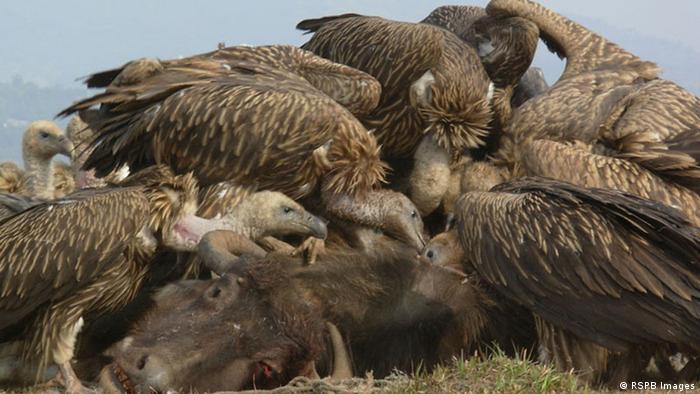
Vultures have very specialized eating habits. Some eat the soft parts of the carcass, like the guts. Others go for the meat. The bearded vulture is the most specialized - it eats the bones. And thus, the whole carcass is gone, helping to prevent the spread of disease. A host of special gut bacteria and destructive gastric juices ensure the vulture is tolerant to its diet of rotting flesh.

Earth's natural clean-up crew
Virtually indestructible
Another unbeloved scavenger is the cockroach. They feed on dead animals but also plants, paper and clothing. Among the hardiest of insects, they can survive for long stretches on limited resources and can withstand high doses of radiation. And though they are relatively harmless to us and play an important role in the nutrient cycle, we humans tend to recoil at their sight.
Earth's natural clean-up crew
Unexpected scavengers
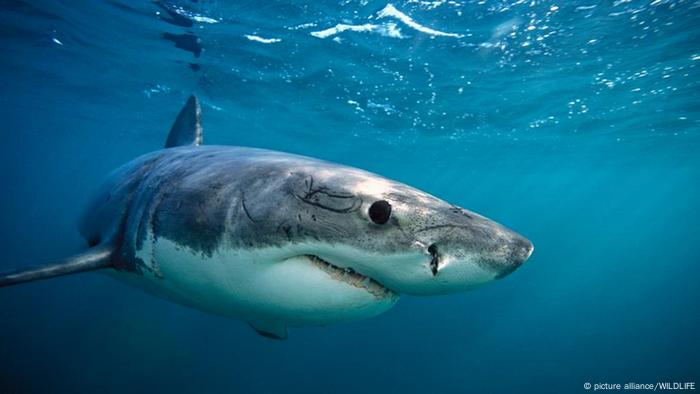
The decomposition process isn't confined to land. It happens undersea too. Crabs and lobsters eat carrion and other matter. Great white sharks – typically thought of as apex predators – are also known to scavenge already dead creatures.
Earth's natural clean-up crew
Small helpers
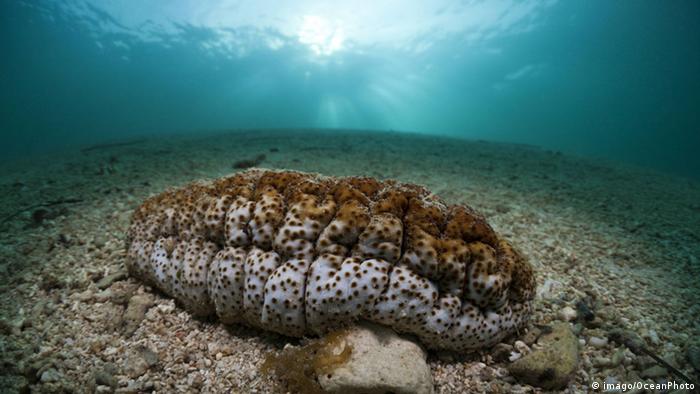
While scavengers eat large quantities of organic matter, smaller animals such as earthworms and sea cucumbers, which are essentially just the earthworms of the sea, also play a role in breaking down organic matter. Known as detritivores, they too speed up decay by feeding on albeit smaller amounts of matter and recycling nutrients back into the ecosystem.
Earth's natural clean-up crew
End of the line
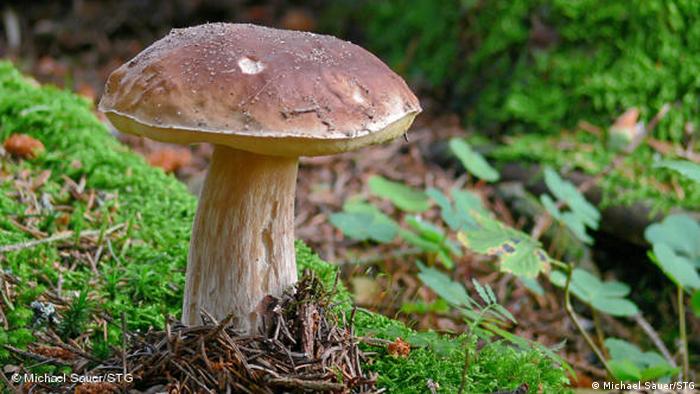
The last stop on the decay tour is with decomposers such as bacteria and fungi. These guys cause decay at a microscopic level. Instead of ingesting and digesting matter through their bodies, these organisms release enzymes onto the dead plant or animal and absorb the nutrients.
Author: Jennifer Collins
How Do Scavengers Help To Keep The Environment Clean
Source: https://www.dw.com/en/earths-natural-clean-up-crew/a-40332219#:~:text=Scavengers%2C%20such%20as%20flies%2C%20are,provide%20nutrients%20for%20other%20organisms.
Posted by: gibbsbeferal41.blogspot.com
0 Response to "How Do Scavengers Help To Keep The Environment Clean"
Post a Comment